-
Robert Weaver VII: The Woolworth – Motion
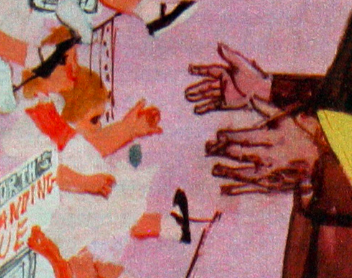
What´s Come Over Old Woolworth? (Fortune, January 1969) “There are assignments for `Fortune´, where I am realistically and symbolically going up the corporate ladder at Woolworth´s. It starts with the stockboy, and I use chairs as a metaphor for power. The chairs become more and more elaborate as we go to top. The drawings where […]
-
Crashes and Collapses (Masters of Faits Divers – Painting I)
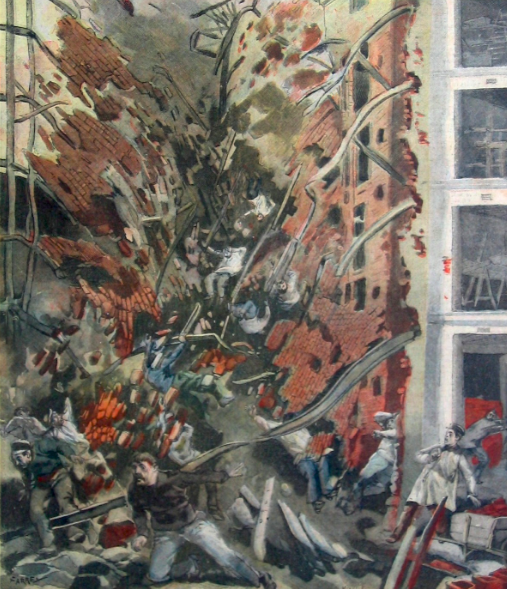
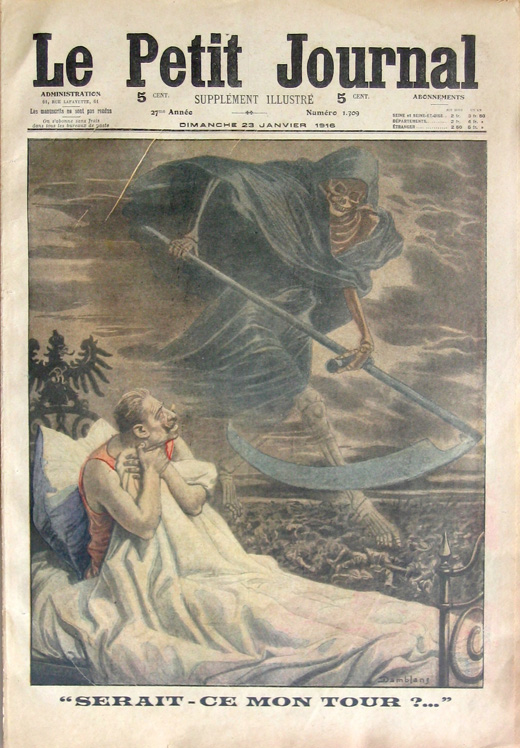
In 1863 a new kind of journalism with particular emphasis on sensational news stories, the so called faits divers, was introduced to the French press landscape by the foundation of the daily “Le Petit Journal”. It´s editor M.P. Millaud had coined the much quoted phrase “dare to be stupid”. In the 1890s this leading French […]
-
Alexandre Cabanel – Die Tradition der Biestigkeit (Ausstellungsbesprechung)
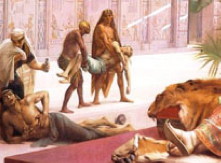
Cabanel, der Name klingt nach Parfüm und wird auch so beworben. Immerhin hat der Maler dahinter den Modezaren Christian Lacroix angelockt, der nun wiederum Besucher ins Kölner Wallraf-Richartz- Museum locken soll. Lacroix hat man dort nicht nur die Möglichkeit eingeräumt, sein künstlerisches Idol in Kachtelteppich und saucige Fototapete einzukleiden sondern auch noch zum Leidwesen der […]
-
Robert Weaver VI: Book Illustrations
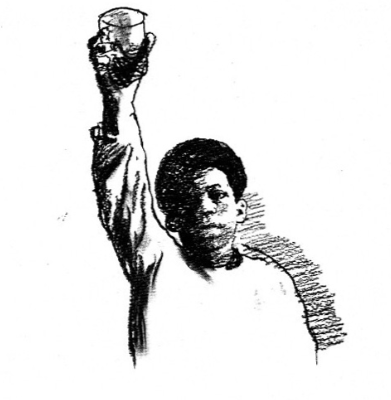
“Weaver established the idea of the draughtsman being an equal to the writer of the text. He should have had a great influence on the world of text and image publishing, but for the most part, art directors and editors did not demand the kind of picture-writing that Weaver had in mind. In fact, few […]
-
Daumier and the Franco – Prussian “Dance of Death”
Daumier´s late cartoons on the Franco-Prussian war are counted among his best. They were inspired by Alfred Rethel´s famous wood-cut cycle “Dance of Death” and of course by Goya´s visionary etchings. The future relationsships between the newly founded German Reich and its neighbour provoked series of imaginative adaptions by some influential graphic artists like Henri […]
-
Illustration & Avantgarde (MePri-News 18/5/08 – 4/6/10)
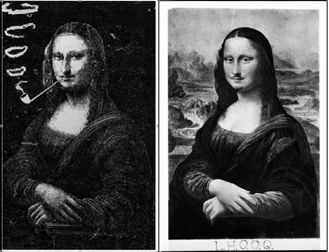
18/5/08 Annabelle Görgen: Antihaltung mit System: Die Arts Incohérents. Eine vergessene Kunst und die Folgen. MePri-Lecture #14 Das surrealistische Verfahren der poetischen Zündung, die Methode der Kombinatorik, und der häufig sprachspielerische und schwarze Humor erhalten durch die Erforschung einer wenig bekannten Pariser Künstlergruppe des späten 19. Jahrhunderts einen neuen historischen Hintergrund: Die Arts incohérents waren […]
-
Robert Weaver V: Industrial Scenes II
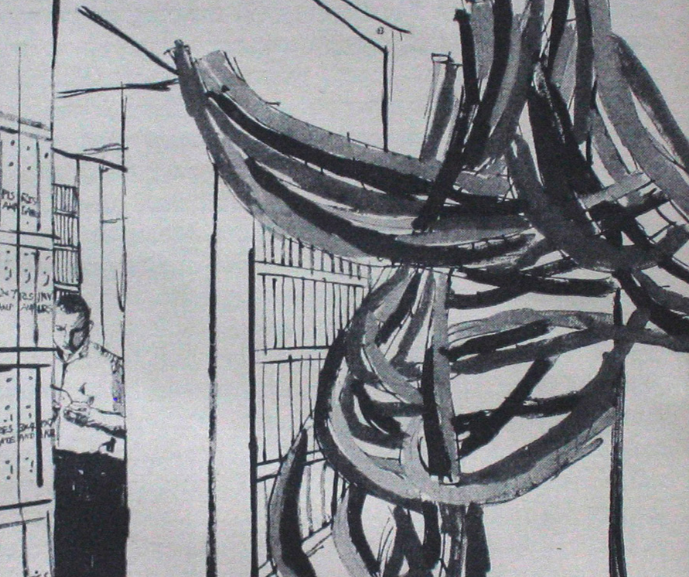
The image of “Fortune” was deeply connected with a specific artistic American tradition of Social Realism. The Magazine was founded in 1939, in the era of the Great Depression and an art director like Leo Lionni, who was resonsible for the appearence of the magazine from 1940 on,updated this specific ethos by engaging illustrators like […]
-
Ronald Searle, Fugitive
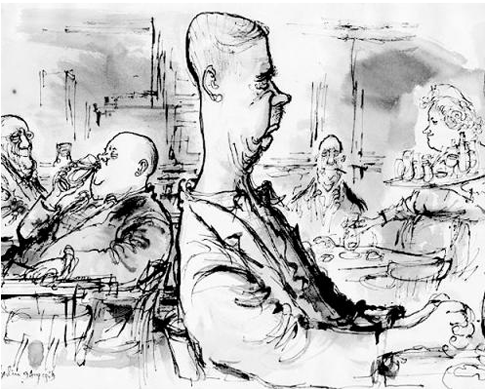
Ronald Searle ist neunzig geworden. Man feiert das in London mit einer Ausstellung im Cartoon Museum, die bis zum 4. Juli läuft. Sie wurde von Steve Bell kuratiert, der im Guardian eine Eloge auf ihn publiziert hat. Noch viel ausgiebiger feiert man in Hannover im Wilhelm- Busch- Museum durch eine Art Dauerausstellung, die noch bis […]
-
Émile Cohl: Ils sont passés devant les nez déconfits (They pass by the depressed noses)
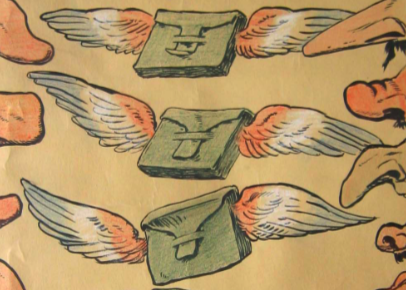
Nicht übersetzt: The MePri-Colletions holds the original of a coloured poster, signed by Emile Cohl. Pierre Courtet-Cohl, the grandson of Emile Cohl was so kind to examine this large cartoon (84 x 49 cm) and it turned out, that the drawing was not only authentic, but also – as far as known – the only […]
-
Das leere Bild als Waffe. Die Anti- Zensur Kampagne des Charles Gilbert-Martin
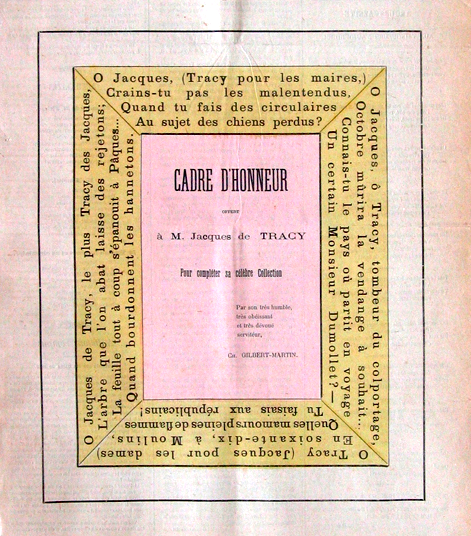
Charles Gilbert – Martin zählte neben André Gill, Alfred Le Petit und Thomas Nast zu den Protagonisten der zweiten Welle der Karikaturbewegung. Es waren nicht so sehr die grafische Brillanz und der enorme Ideenreichtum ihrer Arbeiten, als vielmehr die zermürbenden Kampagnen und geschickten Winkelzüge, mit denen sie ihre mächtigen politischen Gegner, zumeist verhasste Zensoren und […]