-
Burning Cetewayo´s house and other incidents of the British Zulu-War
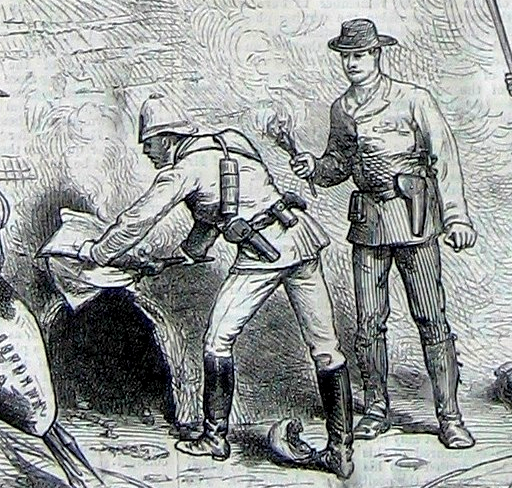
– encounter with a Zulu – punitive expedition – death of the Prince Imperial – Special Artists setting fire on a Kraal – the corpse of the Prince Imperial- Queen Victoria´s return from the Highlands in mourning – in search of King Cetewayo – the pursuit of Cetewayo – Cetewayo´s treasures – ambassadors from King […]
-
Daumier and the Franco – Prussian “Dance of Death”
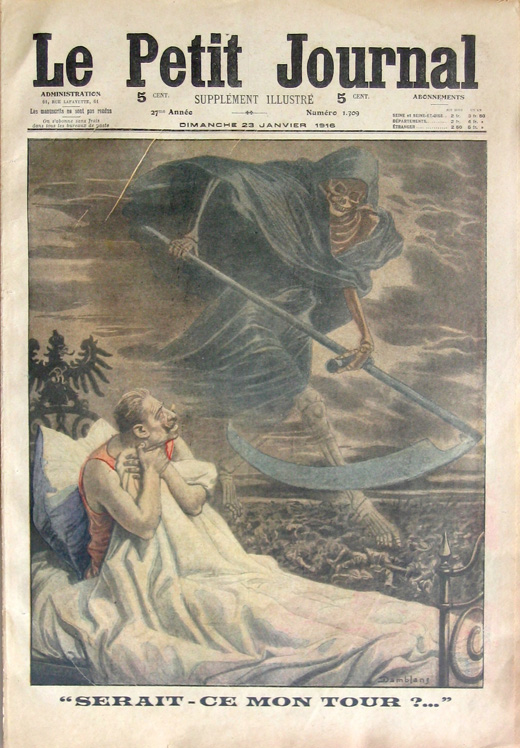
Daumier´s late cartoons on the Franco-Prussian war are counted among his best. They were inspired by Alfred Rethel´s famous wood-cut cycle “Dance of Death” and of course by Goya´s visionary etchings. The future relationsships between the newly founded German Reich and its neighbour provoked series of imaginative adaptions by some influential graphic artists like Henri […]
-
Illustrated Russia
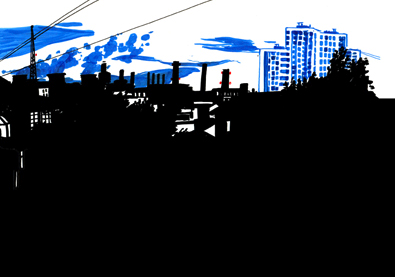
These drawings were made on-site on a stay in Moscow and the provincial towns around from July 08 to August 09 of 2009. The series focuses on Russia as a country of dramatic transitions, on the contrast between the remnants of its czarist and Soviet past and the current signs of a new global capitalist […]
-
Robert Weaver V: Industrial Scenes II
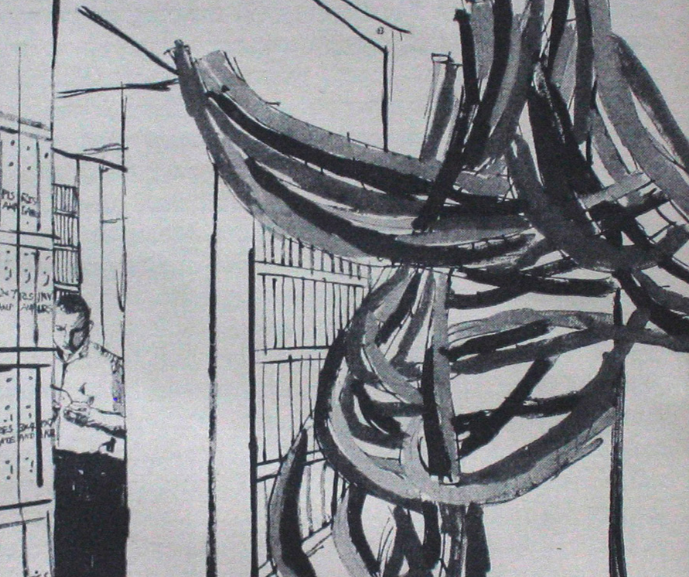
The image of “Fortune” was deeply connected with a specific artistic American tradition of Social Realism. The Magazine was founded in 1939, in the era of the Great Depression and an art director like Leo Lionni, who was resonsible for the appearence of the magazine from 1940 on,updated this specific ethos by engaging illustrators like […]
-
Japanese prisoner-of- war camps
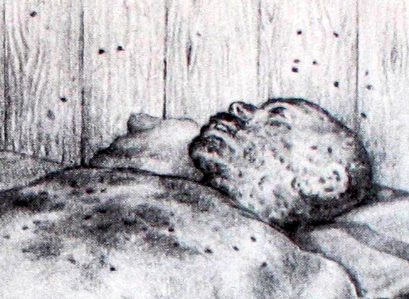
Four different artists give pictorial informations about their experiences in Japanese prisoner-of- war camps: The German lance-corporal Willy Muttelsee spent four years, from 1916 – 1920, behind barbed wires in the refined atmosphere of the exemplary Bando camp on Shikoku island. The Dutch illustrator Charles Burki (1909 – 1994) was arrested in camp Fukuoka close […]
-
The Art of Émile Cohl
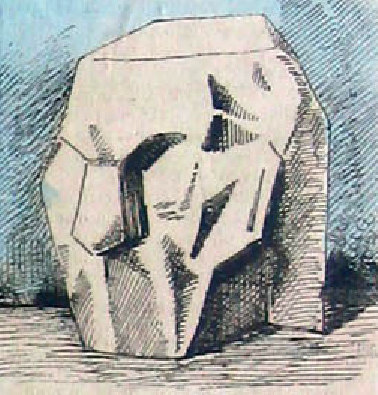
Émile Cohl (born as Émile Courtet) had a preference for the graphic depictions of metamorphoses and puzzles of all kinds. His best cartoons are included in the caricature magazine “La Nouvelle Lune”, which was founded by Cohls friend and mentor André Gill. After Gills mental breakdown in 1880 Cohl took on the editorship.He also contributed […]
-
Robert Weaver IV: Industrial Scenes I
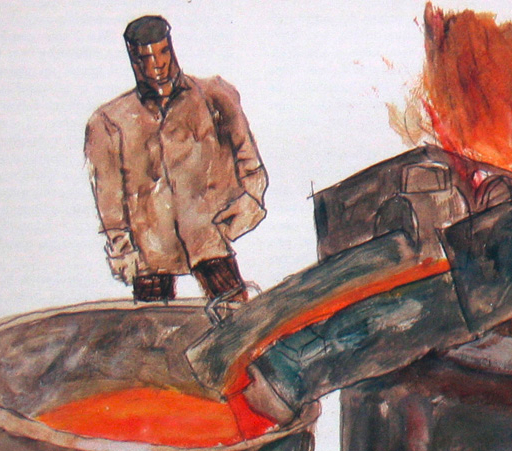
From the mid-fifties on, Robert Weaver made constant contributions to the famous business magazine “Fortune”. “Fortune” kept a long tradition of brillant visual documentaries of industrial themes provided by artists like Walker Evans, Philip Guston, Robert Matta, Ben Shahn or Diego Rivera.
-
The Art of “Petit Pierre” (Graphic Cycles of Théophile Steinlen)
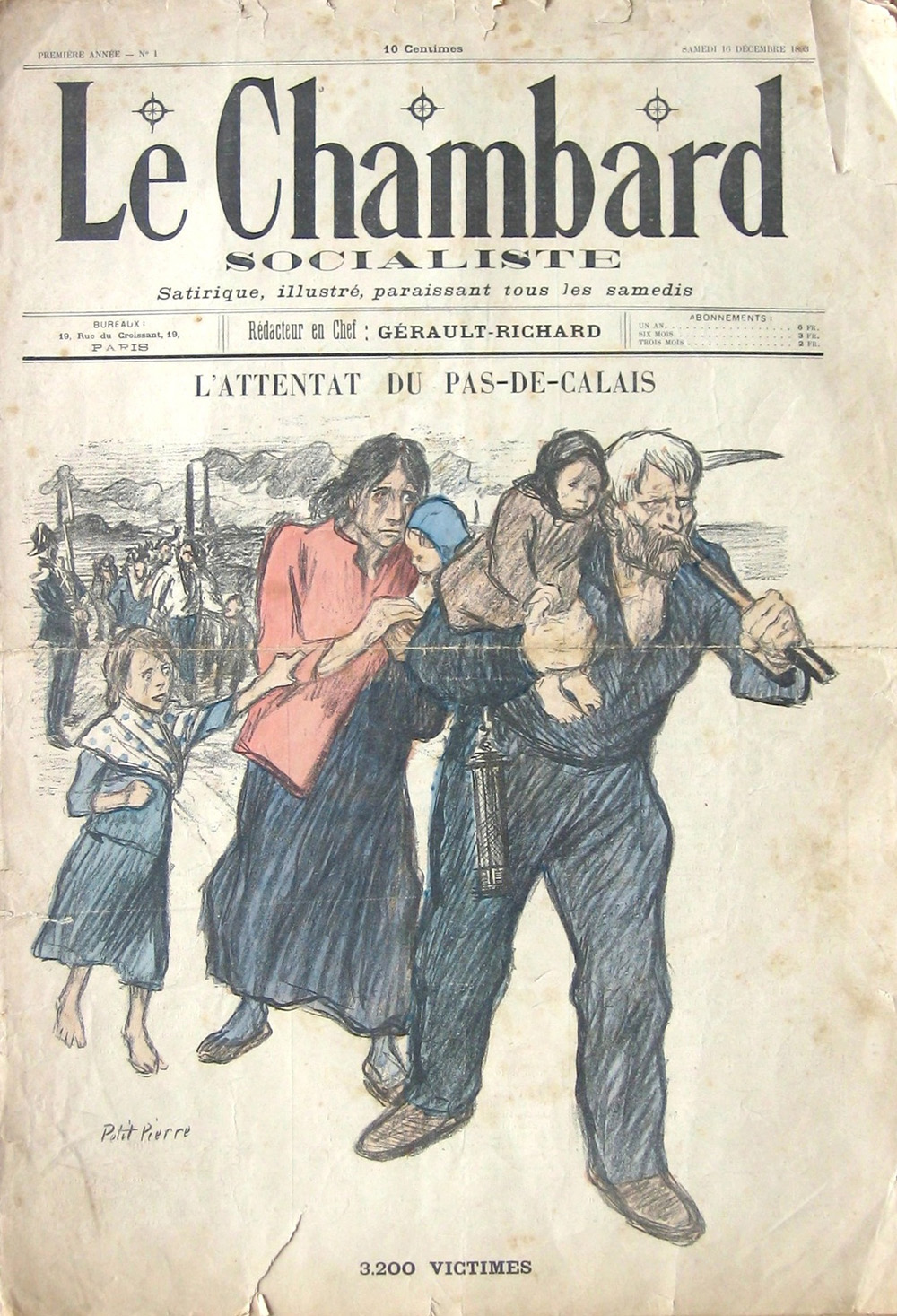
It was mainly Théophile Steinlen’s merit of having transformed the rather jovial style of the late Daumier into an effective and dramatic means of expression for socialist class struggle.The few cover illustrations which Steinlen made for “Le Chambard Socialiste” by using his anarchistic pen name “Petit Pierre” became milestones of the socialist art of the […]
-
Robert Weaver III: Kennedy´s Last Chance to be President , Esquire Magazine. April, 1959
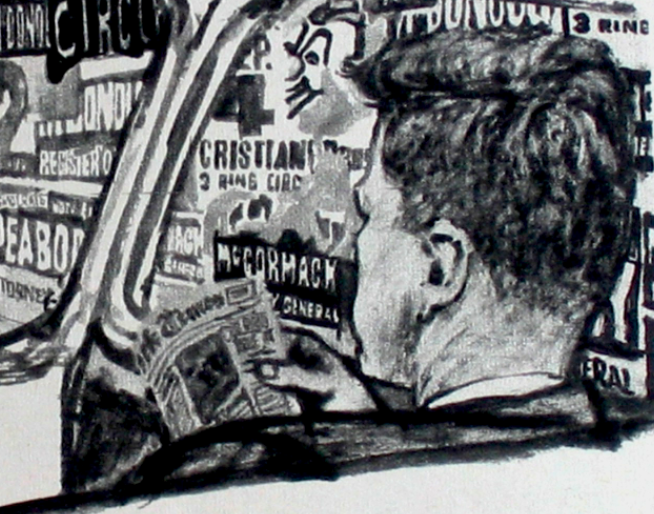
In the end of 1958 famous graphic artist Robert Weaver was commissioned by the “Esquire Magazine” to accompany the Senate re-election campaign of John F. Kennedy with his sketch-pad and his pencil. As usual Weaver reworked his hasty, but very decided sketches later in his studio. The striking drawing, showing J.F.K. from behind in his […]
-
Some Frightful War Pictures , London 1915
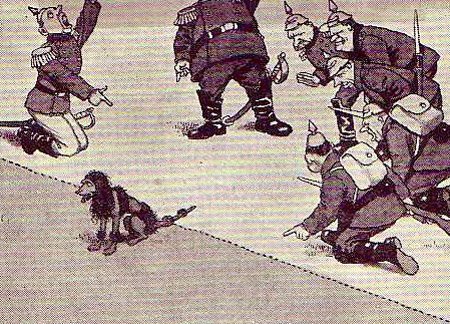
The art of William Heath Robinson can be qualified as an anarchic heightening of the inventions of the early masters of science fiction cartooning, of George Cruikshank and Albert Robida. In this collection of war cartoons, which appeared during the early stages of WWI, when the Trench warfare had just begun with its poison gas […]