-
The Illuminated Myth of Mzona by Richard of Kédange (1802-1879). Part III
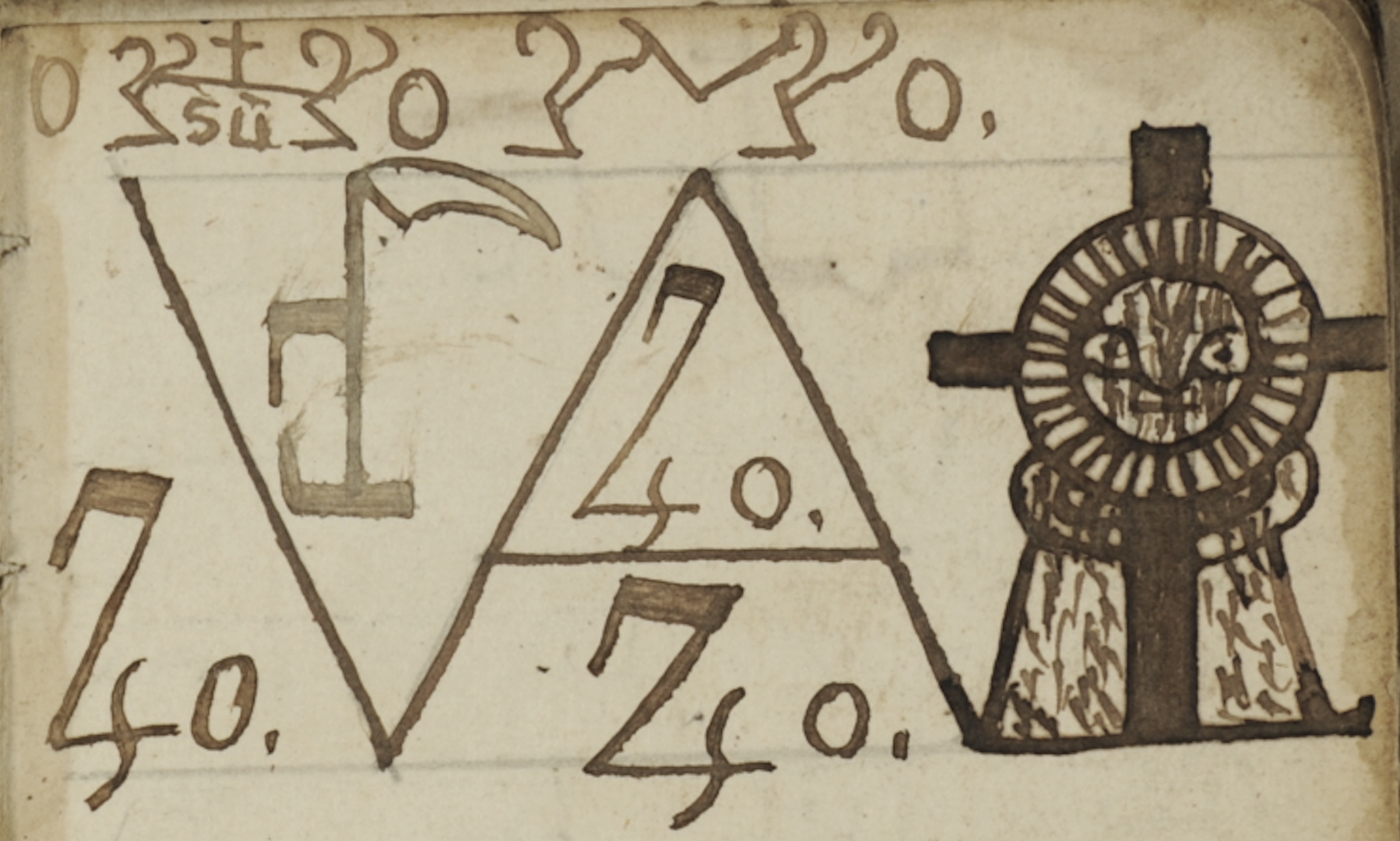
Heavenly Zo / INRI becomes ISO / Swabian and Lorraine Somnambulism Heavenly Zo Richard’s emblematic sexual symbolism originated in the theurgic Neoplatonic geometry of Alexandrian late antiquity and had found its way from there into Jewish mysticism and Hermeticism. The most famous example was the Seal of Solomon, the hexagram, which consisted in the interpenetration […]
-
The Illuminated Myth of Mzona by Richard of Kédange (1802-1879). Part II
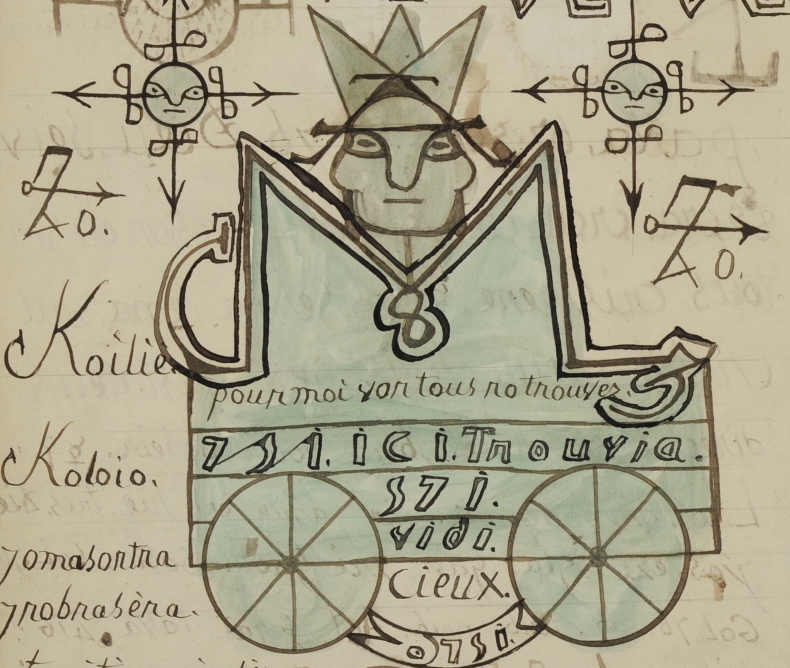
The Ichts / The Sator Arepo mechanism / Two Evas The Ichts When looking through these magic books, one is quickly confronted with the question of whether there was a system here that was comprehensible and decipherable, at least in parts, or whether it was an entirely idiosyncratic construct, a blooming nonsense, a crazy simulation […]
-
The Illuminated Myth of Mzona by Richard of Kédange (1802-1879). Part I
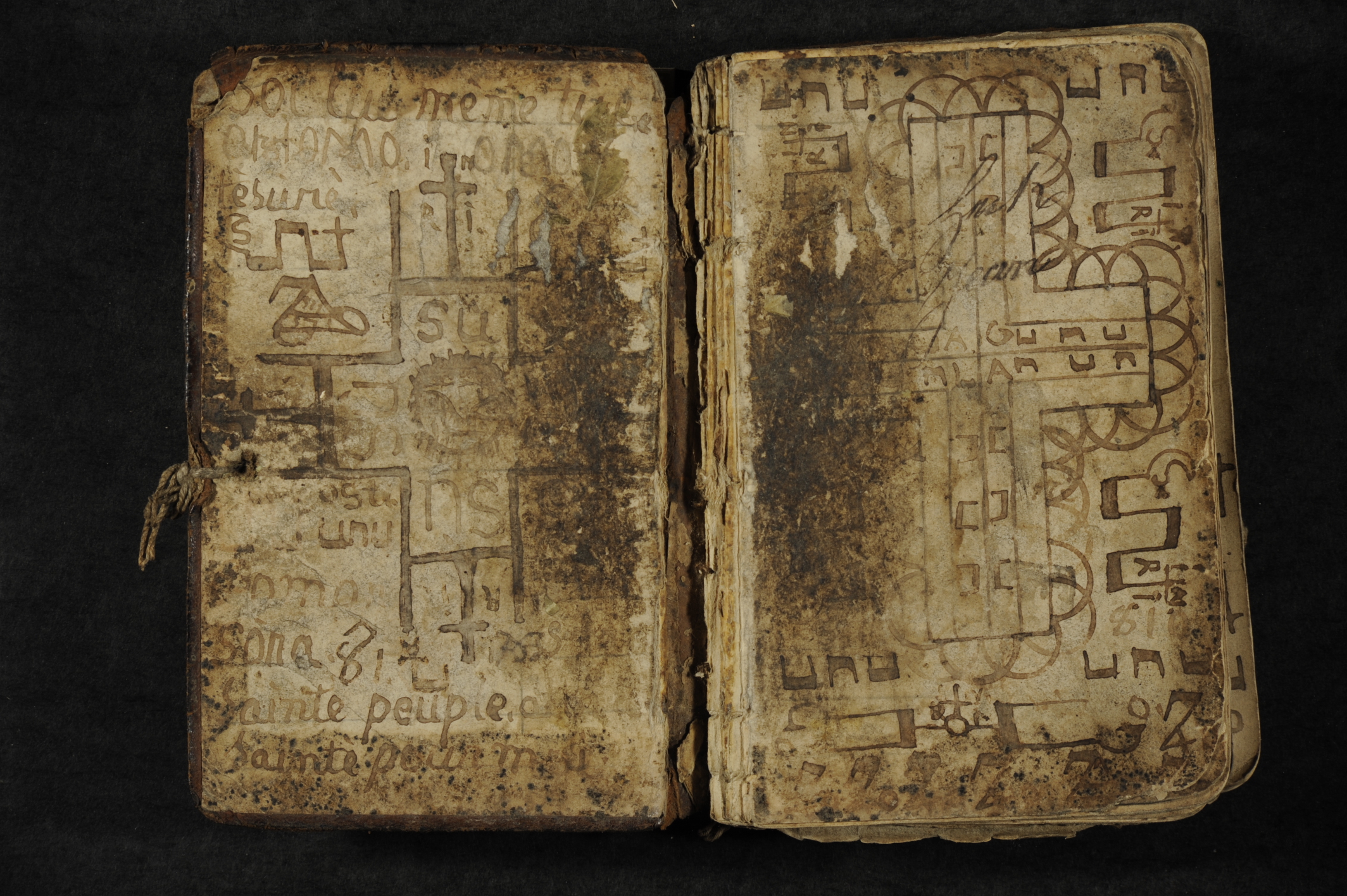
From Alsace to Lorraine / The research / The book In 2010, three graphic grimoires from rural Lorraine popped up at a Strasbourg bookseller’s, whose peculiarity and intensity were astounding. A Richard from Kédange, today Kédange-sur-Canner, a town not far from the border with Saarland and about 30 km north of the capital of Lorraine, […]
-
spiegeln (mirroring) – Pictorial Improvisations on Heine´s Winter´s Tale (Cycle of aquatint etchings)
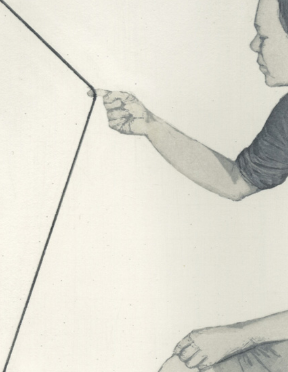
In her extensive cycle of graphics, which she began with in 2011, Manuela A. Beck references in a free associative manner motifs drawn from Heinrich Heine´s complex philosophical-political verse-epic. The technique of etching is not employed for reproductive purposes here, but as the original medium of pictorial composition.The artist succeeds in creating pictographic-abstract formulations that […]
-
Infinite Spaces. On William James Linton´s Vignette Art
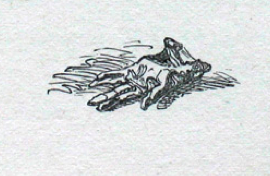
Lintoniana VIII Infinite Spaces. On William James Linton’s Vignette Art “With the separation of draftsman and engraver began the decline of engraving as an art (…) began a system of special employment; and having to depend on draftsmen, engravers ceased to draw, ceased to rely on themselves. Wanting the wider power, the enevitable course was […]
-
der stein nr. 1
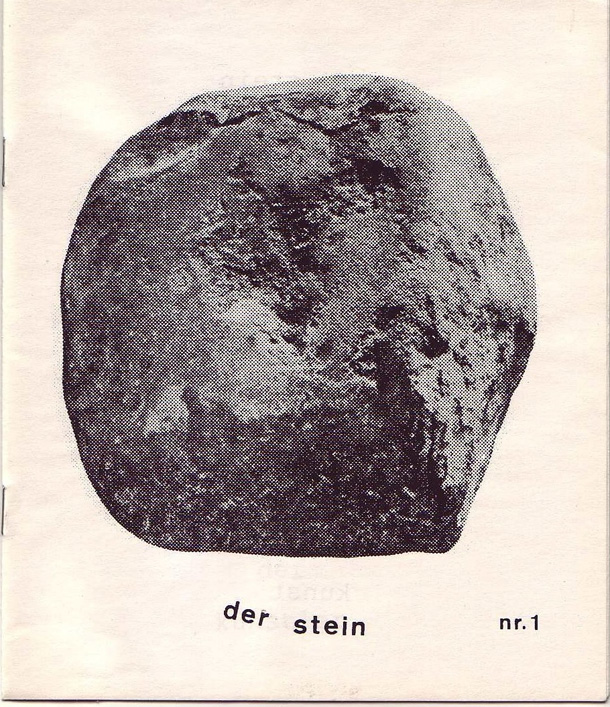
In the late 1990s Canadian cartoonist Julie Doucet abandoned the medium of comic books and went back to printing. Woodcuts, linocuts, silkscreen printing, followed by an abundant production of artist’s books. “Der Stein” is one of the most incisive and enduring examples of contemporary private press or fanzine culture. It is written in bad German […]
-
Saul Leiter and Robert Weaver, an artistic dialogue
„We shared a lot of ideas and we liked a lot of the same things. (…) We had quite a bit in common beside from the fact that we were friends.“ (Saul Leiter) I: Street Scenes in Slumberland. II: On Robert Weaver. Alexander Roob in conversation with Saul Leiter. III: Robert Weaver: The Vogelman Diary […]
-
The Empty Image as Weapon. Charles Gilbert-Martin´s Anti-Censorship Campaign
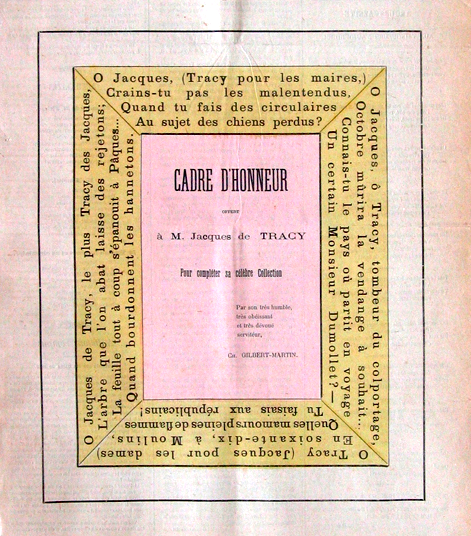
Charles Gilbert-Martin, along with André Gill, Alfred Le Petit and Thomas Nast, counted as the main protagonists of the second wave of the caricature movement. What lent them unparalleled popularity in the field of art was less the graphical brilliance and enormous richness of ideas in their works than the back-breaking campaigns and skilful ambages […]
-
Social Credit & Direct Democracy – William James Linton: “The English Republic”. London / Brantwood, 1850-55
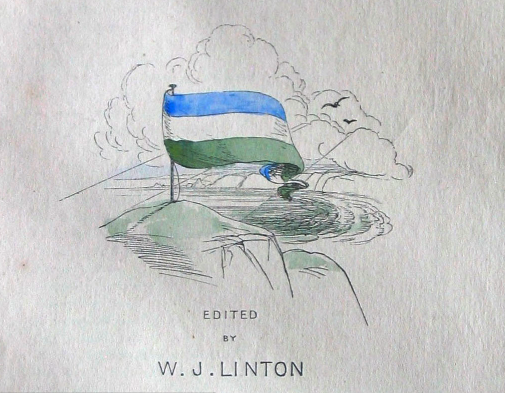
Lintoniana I “We are Utopians, theorists, dreamers, enthusiasts, fanatics, madmen, in a word, we are republicans.” W.J. Linton, 1850 In December 1850, almost two years after the revolutionary hopes of a democratic change had been buried Europe-wide under a mantle of resignation and depression, radical artisan William James Linton began to proclaim his forceful vision […]
-
On Luis Camnitzer’s etching cycles, especially “Agent Orange “(1983-84)
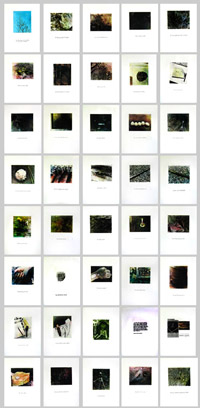
At the end of the 1960s, the Uruguayan sculptor, graphic artist and art critic Luis Camnitzer (born 1937 in Lübeck), living in exile in America, founded the New York Graphic Workshop together with his colleagues Liliana Porter and José Guillermo Castillo. The aim of this venture was to remove the aura of elitism from artistic […]