-
Death in the Shadows. “Black.Light Project”
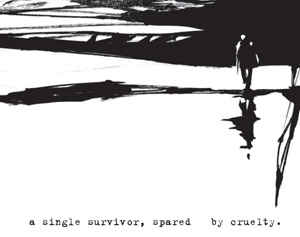
The Black.Light project, which was initiated by war photographer Wolf Boewig and his companion, the travel writer Pedro Rosa Mendes, togehter with the graphic designers Henning Ahlers and Christopher Ermisch, is in many respects an adventurous one and, when it comes to openness and extension, without precedent: Ten comic artists, which are renowned for their fictitious work […]
-
Infinite Spaces. On William James Linton´s Vignette Art
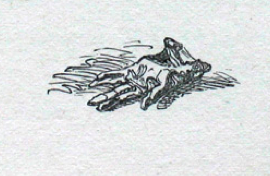
Lintoniana VIII Infinite Spaces. On William James Linton’s Vignette Art “With the separation of draftsman and engraver began the decline of engraving as an art (…) began a system of special employment; and having to depend on draftsmen, engravers ceased to draw, ceased to rely on themselves. Wanting the wider power, the enevitable course was […]
-
Ziegelsteinbuch – vom Nachleben im eigenen Medium. Winsor McCays Werk in Hannover (Ausstellungsbesprechung von Rolf Bier)
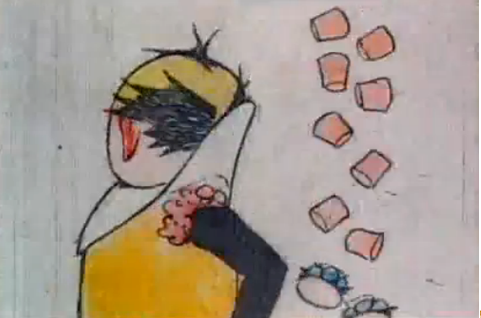
Not translated: Als eine weitere von letztlich sechs Stationen ist die von dem Kunsthistoriker und Künstler Alexander Braun im empathischen Alleingang kuratierte Ausstellung über das beachtliche Werk des Zeichners und Pioniers von Comic-Strip und Animationsfilm Winsor McCay (1869 – 1934) nun treffsicher am vielleicht wichtigsten und am besten passenden Ort der Tournee gelandet: im Wilhelm-Busch-Museum in […]
-
Comics as reports, a selection #2
29/2/12 Kairo-Reportage von Olivier Kugler In der neuen Printausgabe der Wochenzeitung Der Freitag erscheint eine Kairo-Reportage des in London lebenden Zeichners Olivier Kugler. Kugler hatte jüngst drei Wochen dort verbracht und neben dem Jahrestag der aegyptischen Revolution auf dem Tahrir Platz auch die blutigen Ausschreitungen rund ums Innenministerium (nach dem Desaster im Fussballstadion von Port […]
-
Viktoria Lomasko’s Russian Graphic Novel “Forbidden Art”
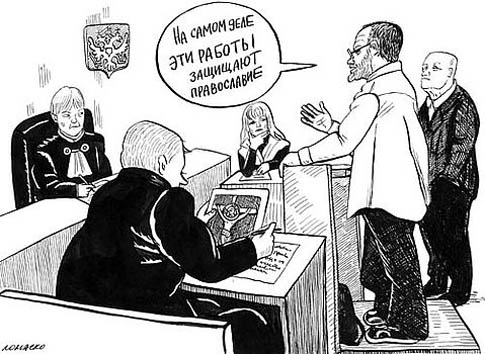
Not translated: Russland galt lange Zeit als eine Nation von Bücherwürmern. Menschen mit dicken Klassikern der russischen Literatur unter dem Arm prägten das Stadtbild, selbst in der vollen Metro konnte man ihnen begegnen. Verlage brachten ihre Bücher in Millionenauflage heraus und durften auf ein treues Lesepublikum vertrauen. Auch die bildende Kunst hatte ihren Platz im […]
-
Saul Leiter and Robert Weaver, an artistic dialogue
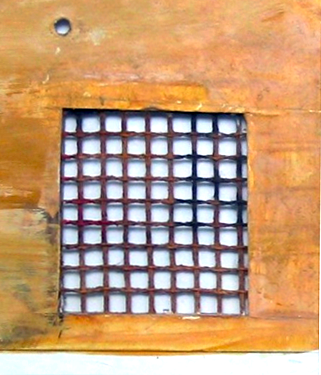
„We shared a lot of ideas and we liked a lot of the same things. (…) We had quite a bit in common beside from the fact that we were friends.“ (Saul Leiter) I: Street Scenes in Slumberland. II: On Robert Weaver. Alexander Roob in conversation with Saul Leiter. III: Robert Weaver: The Vogelman Diary […]
-
Comics as reports, a selection # 1 (MePri-News 4/9/09 – 25/1/12)
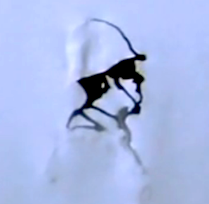
4.9.2009 Josh Neufeld´s Hurricane Katrina Report Josh Neufeld is known as a long-time contributor to Harvey Pekar’s autobiographical “real life” series American Splendor. In his graphic novel A.D.: New Orleans After the Deluge he tells the story of hurricane Katrina and its aftermath „from the perspective of real people still dealing with the storm each and […]
-
Reportagedrawing in digital representation
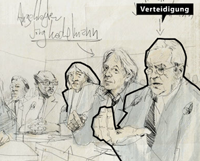
In order to explore the options for graphic journalism in the digital area, Berlin based illustrator Bo Soremsky created an interactive court report on the legal proceedings against the popular weathercaster Jörg Kachelmann. Drawn reportages require an interesting topic which is told in an authentic and exciting way. Of course this can be achieved by […]
-
Graphic reports from the modern wars in Afghanistan
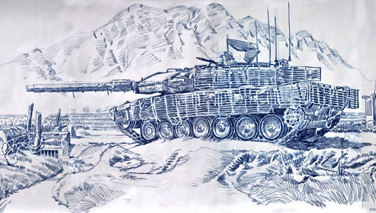
25.1.2011 Ballpoint Memories from Afghanistan The English Russia blog presents an anonymous Ballpoint Soldier: “He was on a few wars, in Afghanistan, in Tajikistan and then in Chechnya. He got in real battles and lost many of his friends in action, that´s a true story true soldier. Everywhere he went he took one thing with […]
-
Mysteries of the Central Station (exhibition review)
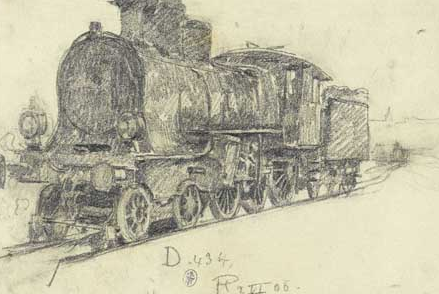
Not translated: Dass die Mysterien der Gegenwart am Hauptbahnhof stattfinden ist nicht erst seit Beuys und Stuttgart 21 klar. Zu Beginn des zwanzigsten Jahrhunderts wurde er als Emanation des technischen Fortschritts und Brennpunkt großstädtischer Betriebsamkeit wahrgenommen, als Zentrum eines halluzinogenen “Reichs der Kraft.” So lautete der Titel einer populären Publikation von Artur Fürst von 1926, […]