-
Émile Cohl: Ils sont passés devant les nez déconfits (They pass by the depressed noses)
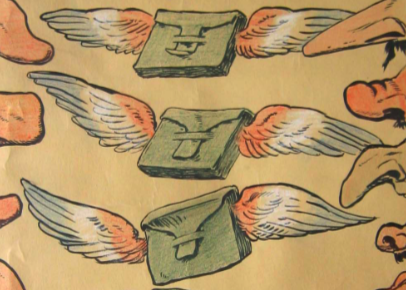
The MePri-Collections holds the original of a coloured poster, signed by Emile Cohl. Pierre Courtet-Cohl, the grandson of Emile Cohl was so kind to examine this large cartoon (84 x 49 cm) and it turned out, that the drawing was not only authentic, but also – as far as known – the only surviving example […]
-
Robert Weaver IV: Industrial Scenes I
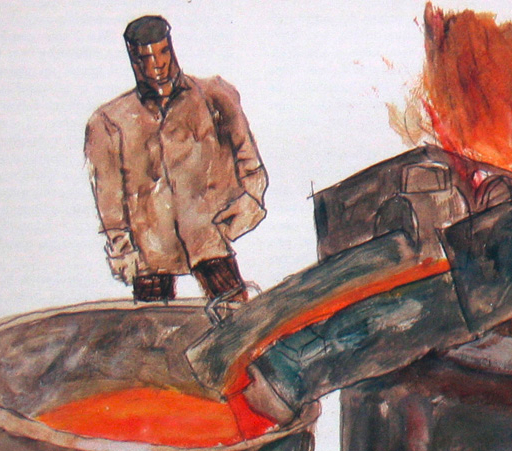
From the mid-fifties on, Robert Weaver made constant contributions to the famous business magazine “Fortune”. “Fortune” kept a long tradition of brillant visual documentaries of industrial themes provided by artists like Walker Evans, Philip Guston, Robert Matta, Ben Shahn or Diego Rivera.
-
The Art of “Petit Pierre” (Graphic Cycles of Théophile Steinlen)
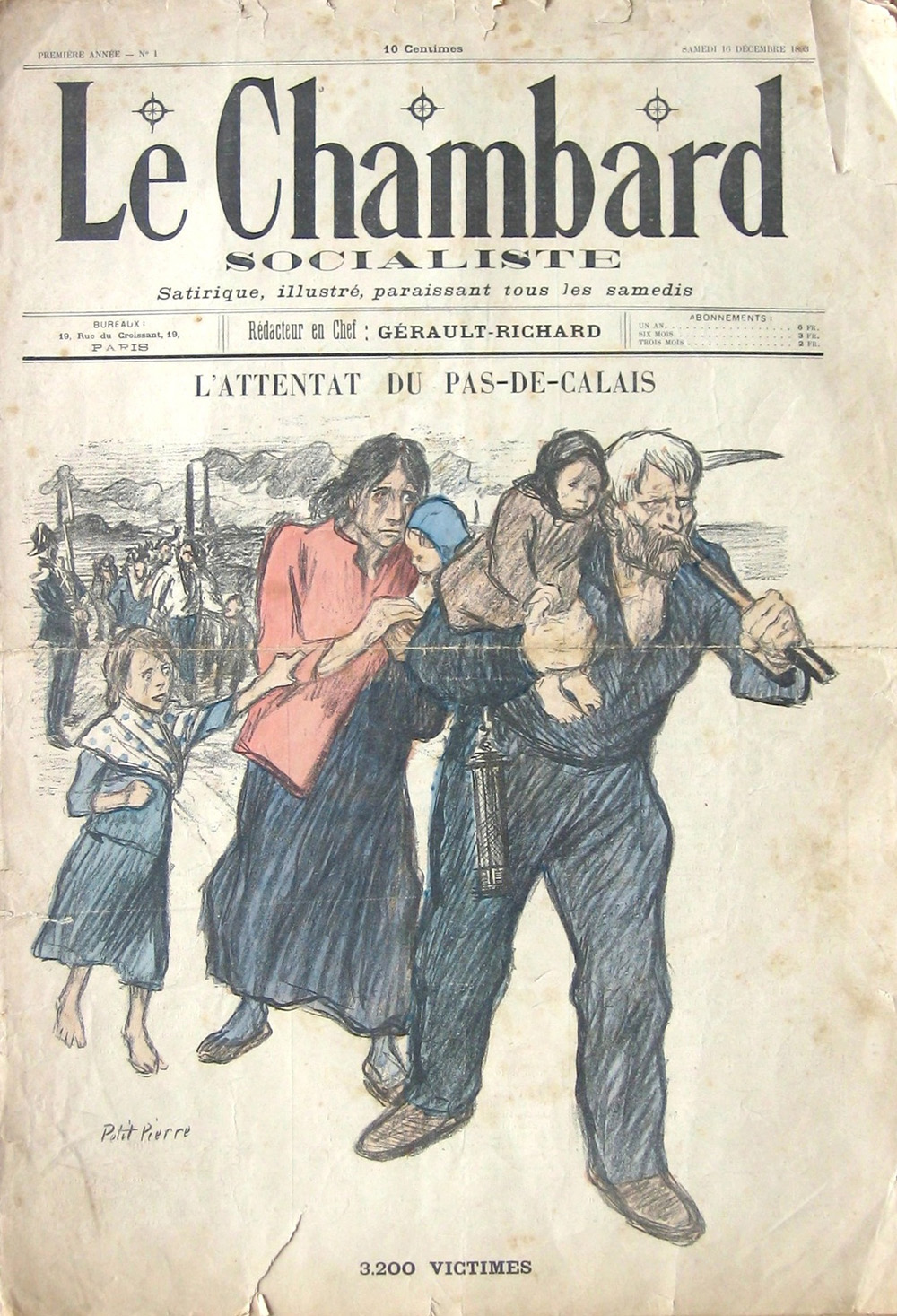
It was mainly Théophile Steinlen’s merit of having transformed the rather jovial style of the late Daumier into an effective and dramatic means of expression for socialist class struggle.The few cover illustrations which Steinlen made for “Le Chambard Socialiste” by using his anarchistic pen name “Petit Pierre” became milestones of the socialist art of the […]
-
Willibald Krain and the Ashcan School. The Agony of Socio-Critical Press Graphics in the 20th Century
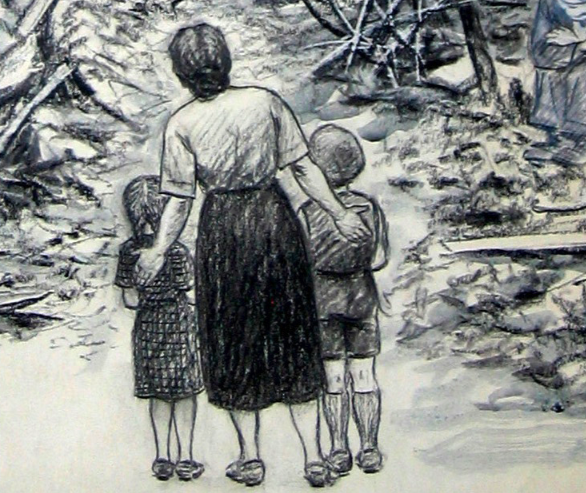
Willibald Krain became known during the First World War for his pacifistic prints portfolio “Krieg” [War] which was published 1916 in Zurich in three different language versions. Along with his mentor, Käthe Kollwitz, Krain ranked among the very few socio-critical artists in 1920s Germany whose work was internationally acclaimed. His illustrations and paintings were published […]
-
Robert Weaver III: Kennedy´s Last Chance to be President , Esquire Magazine. April, 1959
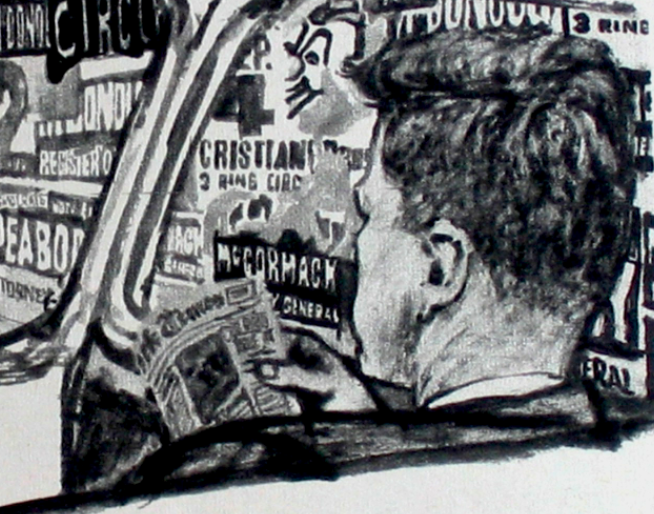
In the end of 1958 famous graphic artist Robert Weaver was commissioned by the “Esquire Magazine” to accompany the Senate re-election campaign of John F. Kennedy with his sketch-pad and his pencil. As usual Weaver reworked his hasty, but very decided sketches later in his studio. The striking drawing, showing J.F.K. from behind in his […]
-
Illustration expanded. William James Linton: Bob Thin or the Poorhouse Fugitive. London, 1840- 45
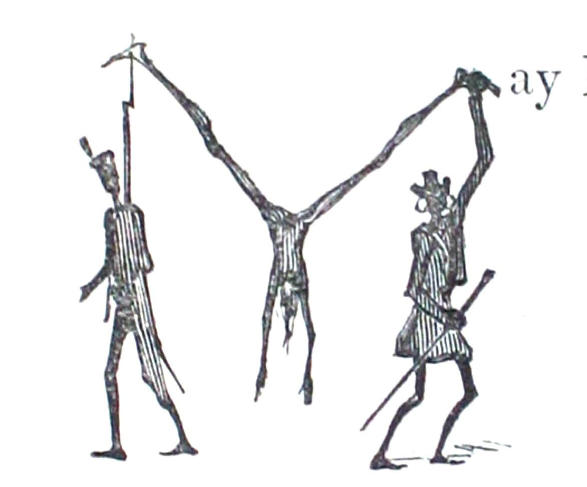
Lintoniana III “Men like no prosy tales: we’ll try How doggrel rhyme fits history.” The MePri-Collection holds four different copies of Linton’s groundbreaking social poem in which he accuses the afflictions caused by the inhuman legislation for the poor. “This poem established Linton as a peoples poet and became part of the repertoire of radical […]
-
Karagoez, Turkish Cartoon Magazine
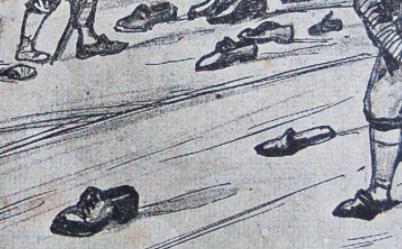
The newspaper archive Horst Moser, Munich, holds several examples of early issues of the satirical magazine “Karagöz”, which bear witness to the high graphic quality of Ottoman caricature at the beginning of the 20th century. The attraction and popularity of caricature magazines continues unabated in Turkish society today. The two protagonists of the satirical magazine, […]
-
Ikonolog: Tree (pencil on paper, digital collage, 2007/08)
The sequence of images from Matthias Reinhold’s “Ikonolog” (www.ikonolog.de) represents the rhizomatic structural idea of his drawing project, which aims for infinite permeability and ramification. Aperspectival, organismic spatial experiences and observations of vegetative growth are poetically combined here with analytical fields of technical construction and explosion graphics, i.e. with ways of drawing that expose functional […]
-
Bernard Buffet – Terrain Vague – Dangerous terrain
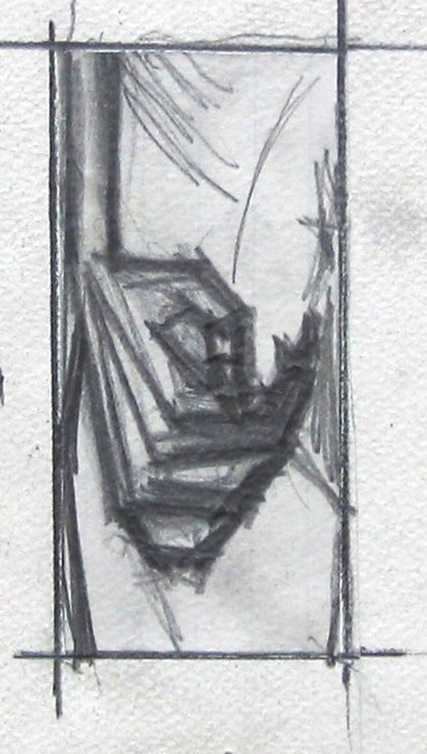
“Bernard Buffet, 34, painter of the “misérables”, owner of a Rolls-Royce, whose figures with their elongated proportions are no longer being rewarded by French art dealers in line with the bestseller lists, has painted a 20 sq. m. cinema poster for the ballad of the wide boys, “Terrain Vague”, by that old master among directors, […]
-
Van Goghs Favorites IV: Paul Renouard, the Zola of Drawing
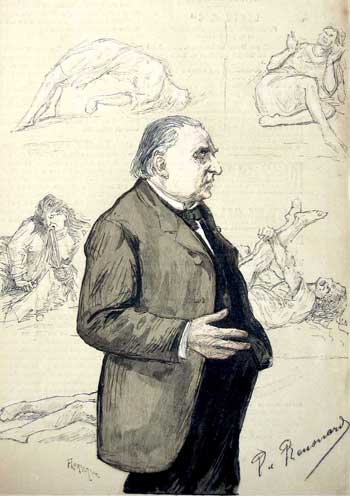
“There is life in every little pencil stroke.” Letter from Vincent van Gogh to Theo van Gogh Nuenen, 4 or 5 May 1885 “When I think how he rose to such a height by working from the very beginning from nature, without imitating others, and how he is none the less in harmony with the […]