-
Urban Apaches: Torture, Blood & Thunder (Masters of Faits Divers – Painting IV)
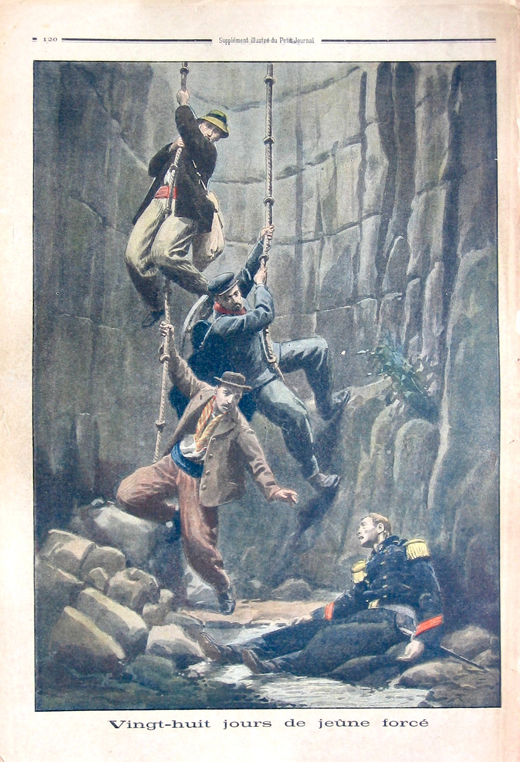
“Les Apaches” can be considered as an early manifestation of rebellious youth culture in Paris. They were organized in street gangs with special idioms and dress codes very similar to those of the London costermonger-subculture. In 1907 “Le Petit Journal” called the ruffian Apaches “the sore of Paris. More than 30.000 blighters standing against 8.000 […]
-
Drawing Protest, 1525 – 1970. How protest was visualized through the centuries. A commented picture spread
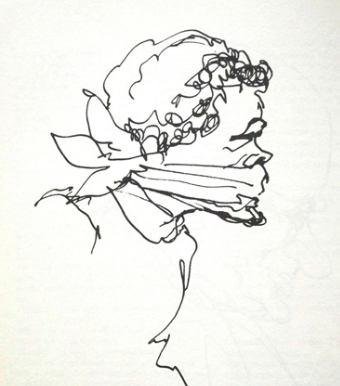
A picture spread with material from the archive of the Melton Prior Institute, Düsseldorf, in cooperation with the exhibition “Im Zeichen des Protests / Drawing Protest”, Galerie für Zeitgenössische Kunst Leipzig, 19.10.2013 – 09.01.2014, curated by Olga Vostretsova 01) Barthel Beham, “Der Welt Lauf” (The course of the world), copper engraving, Nuremberg 1525 The artist […]
-
Porter / Re-porter: Blake revisited (Exhibition)
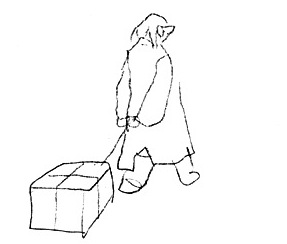
In the exhibition Porter/Re-porter, on view from 4 May to 22 September in the frame of “Cube. Sparda Art Award” at the Kunstmuseum Stuttgart, Alexander Roob combines materials from the collection of the Melton Prior Institute with works of his own, including a longer excerpt from the eponymous CS drawing series created in London in […]
-
“Vogelmen Diaries” – Exhibition film and related archive articles (Melton Prior Institute im Heidelberger Kunstverein, 17.11.2012 – 27.1.2013)
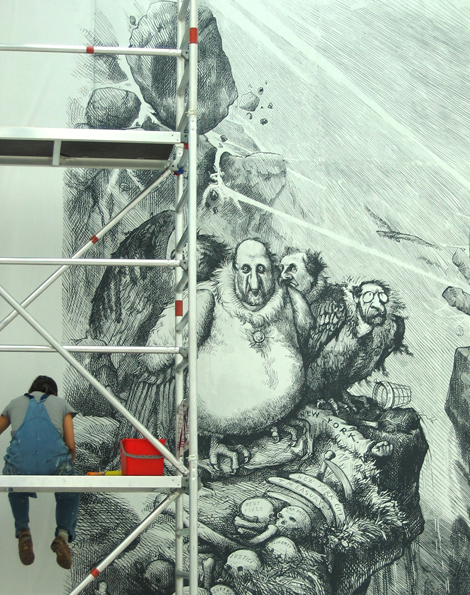
Exhibition Film. Click on the image to play. . Fletcher DuBois performs the “Vogelmen Diaries” at the opening. Main Hall, Southern Wall: Thomas Nast, “Our System of Feathering Nests ..” Main Hall, Northern Wall: Thomas Nast, “Let Us Prey!” > Faits Divers – Illustrations: Crashes and Collapses > Thomas Nast: “Dead Men´s Clothes Soon Wear […]
-
Animal Fury (Masters of Faits Divers – Painting III)
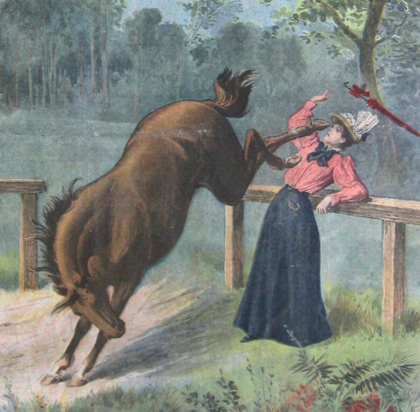
“Le Petit Journal” was the origin and the leading example of the faits divers press. “Somewhat analogous to a surrealist writing game, fait-divers reportage was an impersonal form of literary production that owed everything to the coincidental arrangement of its sentence elements.” (Robin Walz, Pulp Surrealism) The cover illustrators of” Le Petit Journal” created congenial […]
-
spiegeln (mirroring) – Pictorial Improvisations on Heine´s Winter´s Tale (Cycle of aquatint etchings)
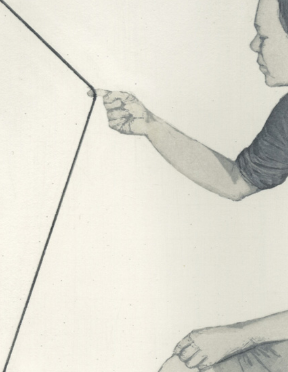
In her extensive cycle of graphics, which she began with in 2011, Manuela A. Beck references in a free associative manner motifs drawn from Heinrich Heine´s complex philosophical-political verse-epic. The technique of etching is not employed for reproductive purposes here, but as the original medium of pictorial composition.The artist succeeds in creating pictographic-abstract formulations that […]
-
Tiger Hunting with the Shah. A Golden Era of Visual Journalism.
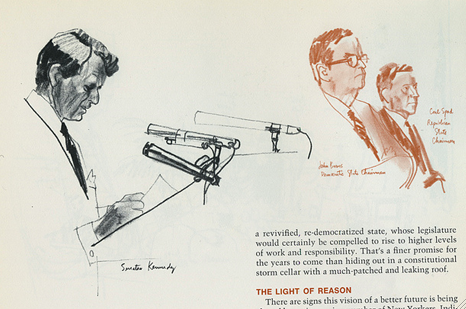
Daniel Zalkus, a renowned illustrator, who himself works as an artist-reporter from time to time, has put together an excellent commented series of historical drawings on-the–spot, representing a golden era of graphic reportage in the American magazines from the 1950’s and 60’s. Zalkus´ series Visual Journalism. The Artist as Reporter was publised recently in five […]
-
Accidents will happen (Masters of Faits Divers – Painting II)
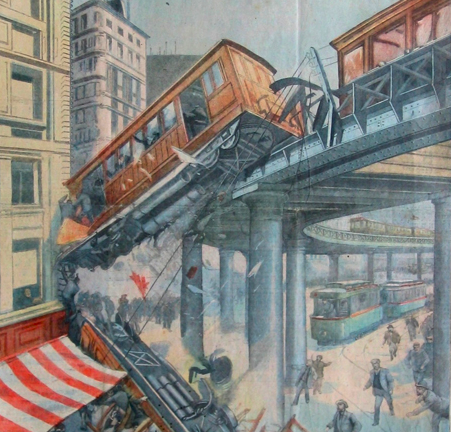
The list of outstanding illustrators who worked for the weekly supplement of the tabloid “Le Petit Journal”is impressive: Jose Belon, Charles Bombled, Henri Brispot, Eugene Damblans, Frederic Lix, Fortune Louis Meaulle, Henri Meyer, Lionel Royer, Osvaldo Tofani and Charles Gaston Yrondy. Most of them were trained history painters with a specific talent for catching the […]
-
Death in the Shadows. “Black.Light Project”
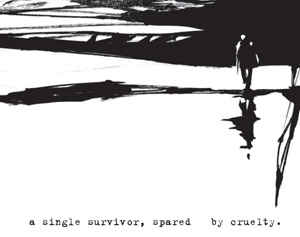
The Black.Light project, which was initiated by war photographer Wolf Boewig and his companion, the travel writer Pedro Rosa Mendes, togehter with the graphic designers Henning Ahlers and Christopher Ermisch, is in many respects an adventurous one and, when it comes to openness and extension, without precedent: Ten comic artists, which are renowned for their fictitious work […]
-
Robert Weaver VII: The Woolworth – Motion
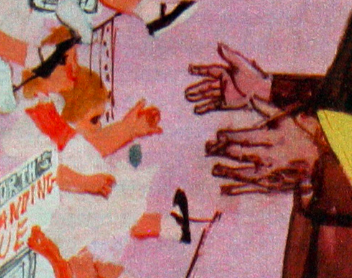
What´s Come Over Old Woolworth? (Fortune, January 1969) “There are assignments for `Fortune´, where I am realistically and symbolically going up the corporate ladder at Woolworth´s. It starts with the stockboy, and I use chairs as a metaphor for power. The chairs become more and more elaborate as we go to top. The drawings where […]