-
The new flesh / Das neue Fleisch, Turkish and Kurdish butcher shops in Berlin-Kreuzberg.
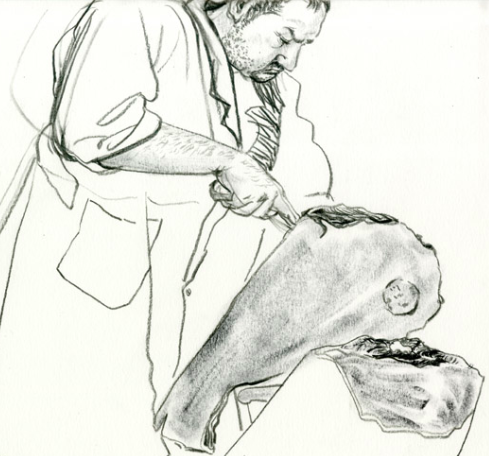
Xiaopeng Zhou, born in 1985 in Guangzhou, has studied art the the Academy of his hometown until 2008, but is now living in Germany and about to complete his Master exam at Academy of Art Berlin-Weissensee. The pictorial is an excerpt from his 76-part series of reportage drawings created within four weeks – starting from […]
-
Images from the earliest modern Afghan Wars
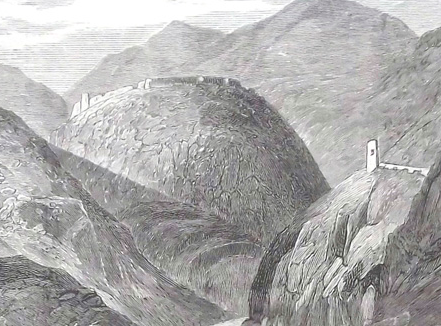
The first military conflict covered by the illustrated popular press after its foundation in May 1842 was a war in Afghanistan. But the depictions of the defeat of the British occupation forces in the Asian borderland, which was of equally vital strategical importance for the British as for the Russian Empire, were solely fictitious and […]
-
Evil Empires II: British Images , 48 political drawings, Berlin 1943
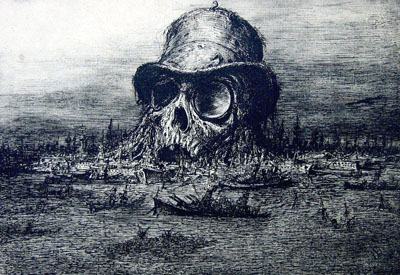
The works of Thuringian graphic artist A. Paul Weber were strongly influenced by the visionary imaginations of Alfred Kubin. In his main work, the graphic cycle “British images”, published in 1941, influences from Gustave Doré´s “London Pilgrimage” can be traced, as well as of those of other French illustrators such as Théophile Steinlen, Charles Léandre […]
-
Remember Korea / Gondolj Koreara (1952), Budapest, 1952
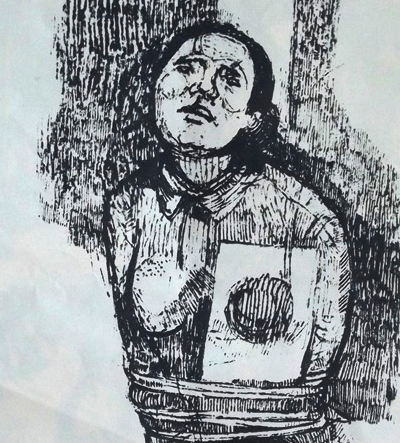
-The key issue of the graphic portfolio created by the Hungarian artist Bencze László is the massacre near Sichon, North Korea, in the autumn and winter of 1950 with more than thirty thousand victims, mainly civilians. From the Communist side, these war atrocities were attributed to the American invading forces. Like Picasso’s famous painting Massacre […]
-
The Translation of the Arch-Imperator , (H. Durand-Brager: Sainte-Hélène, 1844 / C. N. Lemercier: Translation du corps de Napoleon, ca.1842)
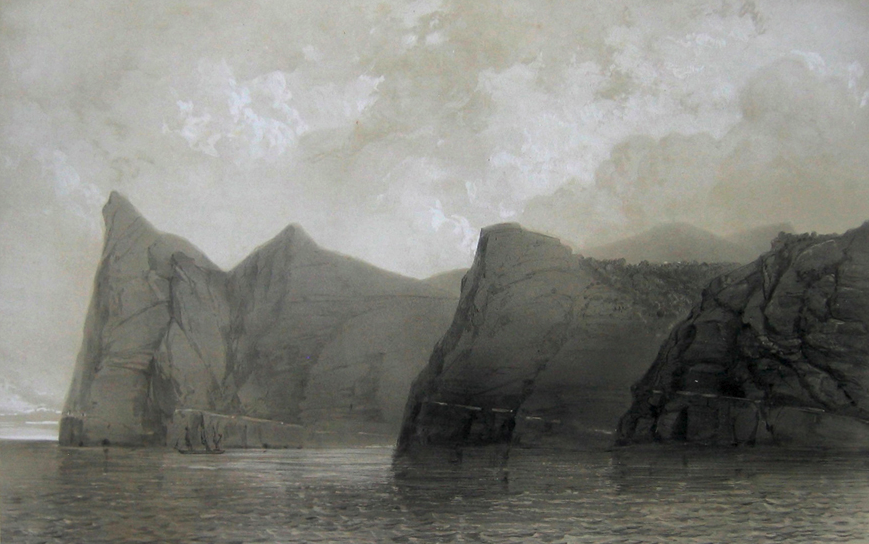
Special Artist Henri Durand-Brager had made a name for himself with an opulent documentation of the return of the remains of Napoleon I from foreign, British occupied soil to his homeland. Brager´s expedition report Sainte-Hélène was published in an impressive folio format in 1844. What is remarkable, is that the cycle completely disregards the actual […]
-
Evil Empires I: Concentration camps in the Transvaal
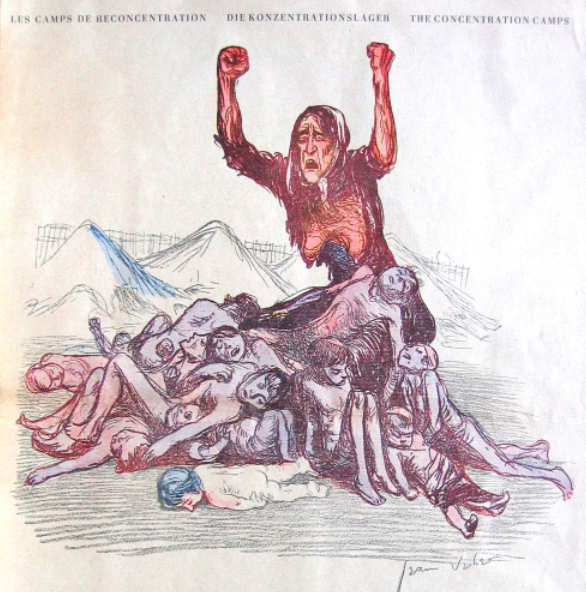
During the Second Boer War the prestige of the British Empire sank to an all-time low. The main reason was the establishment of concentration camps in South Africa as a measure against the guerrilla war led by the local farmers against the Empire. Over 26,000 Boers, mainly women and children, died of hunger and diseases […]
-
Sketches from the moor
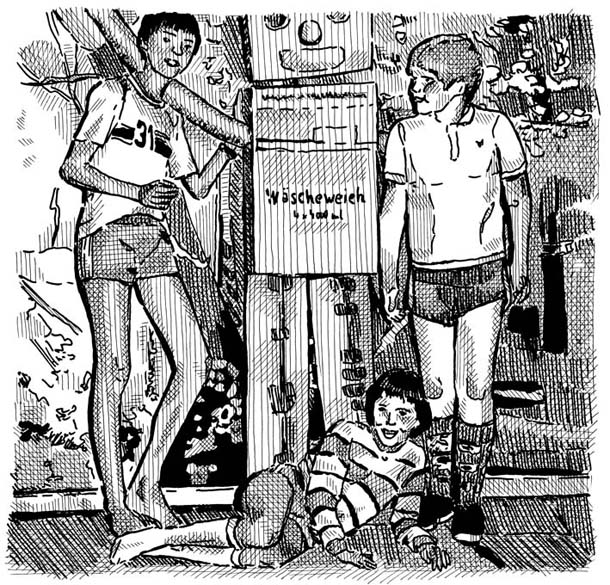
This Pictorial consists of a compilation of drawings that either did not find their way into Oliver Grajewski’s graphic novel “Der Tag im Moor” or found their way into it in a different form. The drawings are loosely arranged in the order of the narrated chapters. Ink and pencil drawings combine with digital photography and […]
-
A Thomas Nast – Gallery (His career in 38 images)
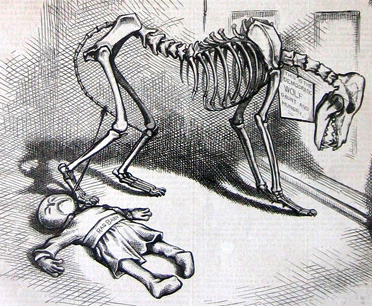
Thomas Nast (1840-1902) started his career as a “special artist” at the age of fifteen. His pictorial journalism marked the peak of graphic art as far as its influence and popularity in the 19th century is concerned. No artist was ever more successful in regard to the intensity, scope and lastingness of his political impact […]
-
Defiant People. Drawings of Greece Today, London 1952
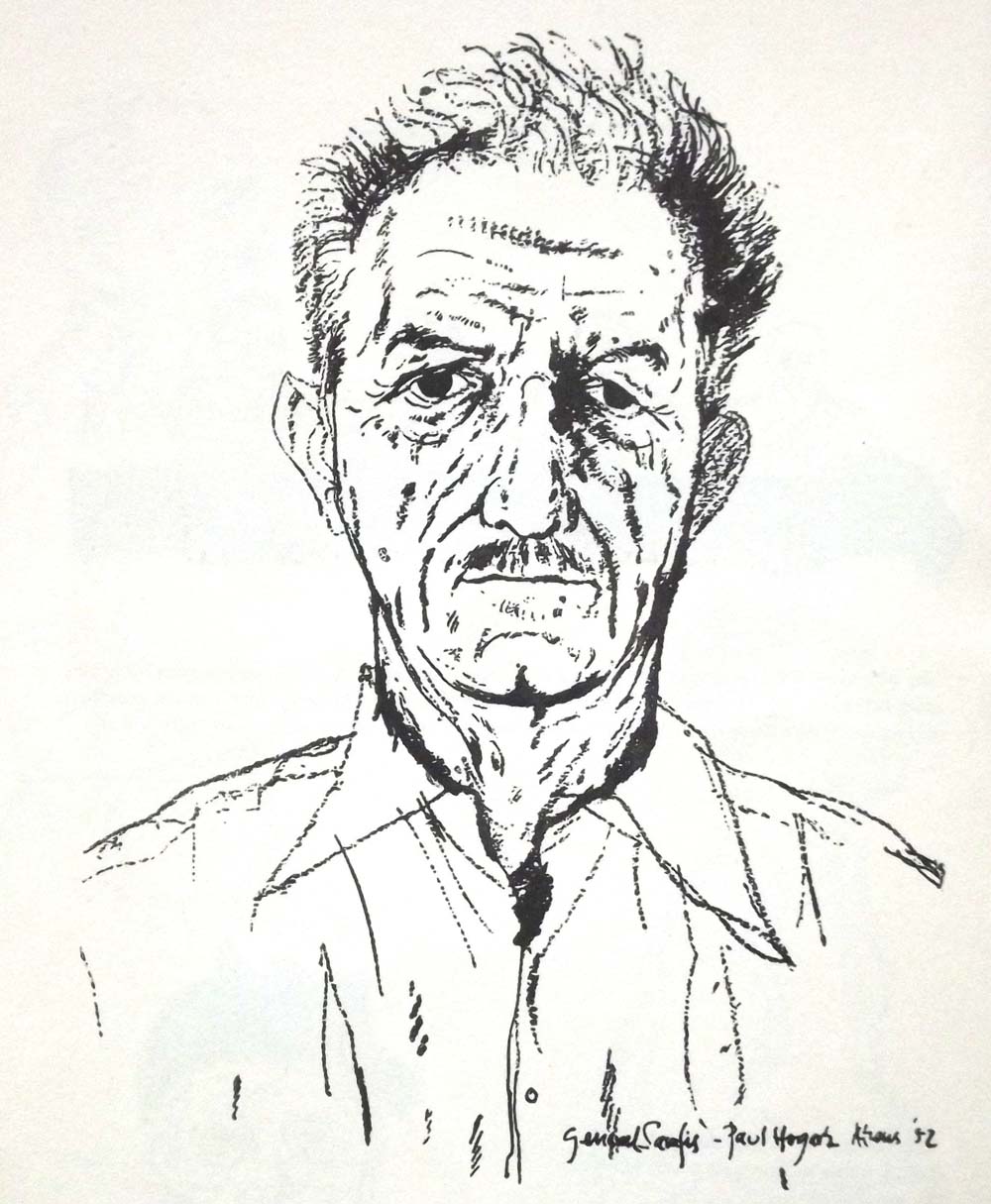
“Fate intervened in the person of Betty Ambatielos, the indomitable Welsh schoolteacher wife of Tony Ambatielos, a prominent Greek Communist leader who faced execution by the regime of Marshall Papagos which ruled Greece in those days. I was asked to depict his trial against the background of Greece itself, the first victim of the Cold […]
-
Museo di Storia Naturale di Venezia , Sketchbook
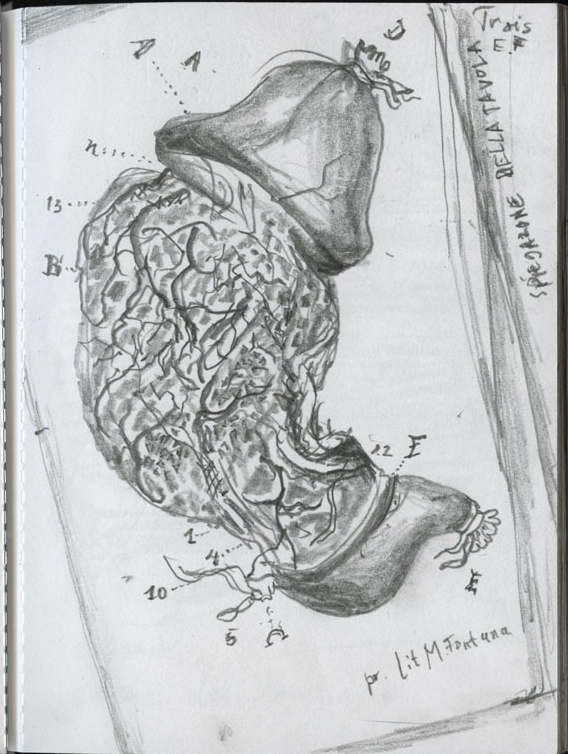
Matthias Reinhold, author of the interactive illustrated encyclopaedia “Ikonlog”, conducted research in Venice in July and August 2012. The sketchbook on hand was created on August 9 at the Museum of Natural History. As in all museums and churches in Venice, taking photos is forbidden.